

Ever wondered why that delicious bowl of bikimsum feels like it’s staging a sit-in in your stomach? You’re not alone. Many food lovers experience the slow burn of this delightful dish, and it’s not just because they’re savoring every bite. The truth is, bikimsum is a culinary masterpiece packed with flavors and ingredients that can leave the digestive system working overtime.
Understanding Bikimsum
Bikimsum incorporates various ingredients, including meats, vegetables, and spices. Each ingredient adds to the overall richness of the dish. Commonly, heavy ingredients such as fatty meats can slow down digestion, leading to a prolonged feeling of fullness.
Inevitably, complex flavors in bikimsum stimulate gastric secretions, requiring more time for the stomach to break down the food. This complexity can result in added digestive effort due to the diverse composition of the dish. The combination of starches and protein further complicates digestion, as different macronutrients digest at varying rates.
Additionally, portion size plays a crucial role. Larger servings of bikimsum contribute to a longer digestive process, as the body must work harder to process increased quantities. Eating quickly tends to exacerbate the situation, as it doesn’t allow sufficient time for the body to signal fullness.
In some cases, the cooking methods, like steaming or frying, influence digestibility. Steamed versions might be easier on the stomach, while fried options tend to be heavier and more difficult to digest. Overall, the intricate nature of bikimsum, along with individual differences in digestive health, explains why it may take a considerable amount of time to digest.
Understanding these factors can help food lovers enjoy bikimsum while being mindful of digestion and overall comfort.
Composition of Bikimsum
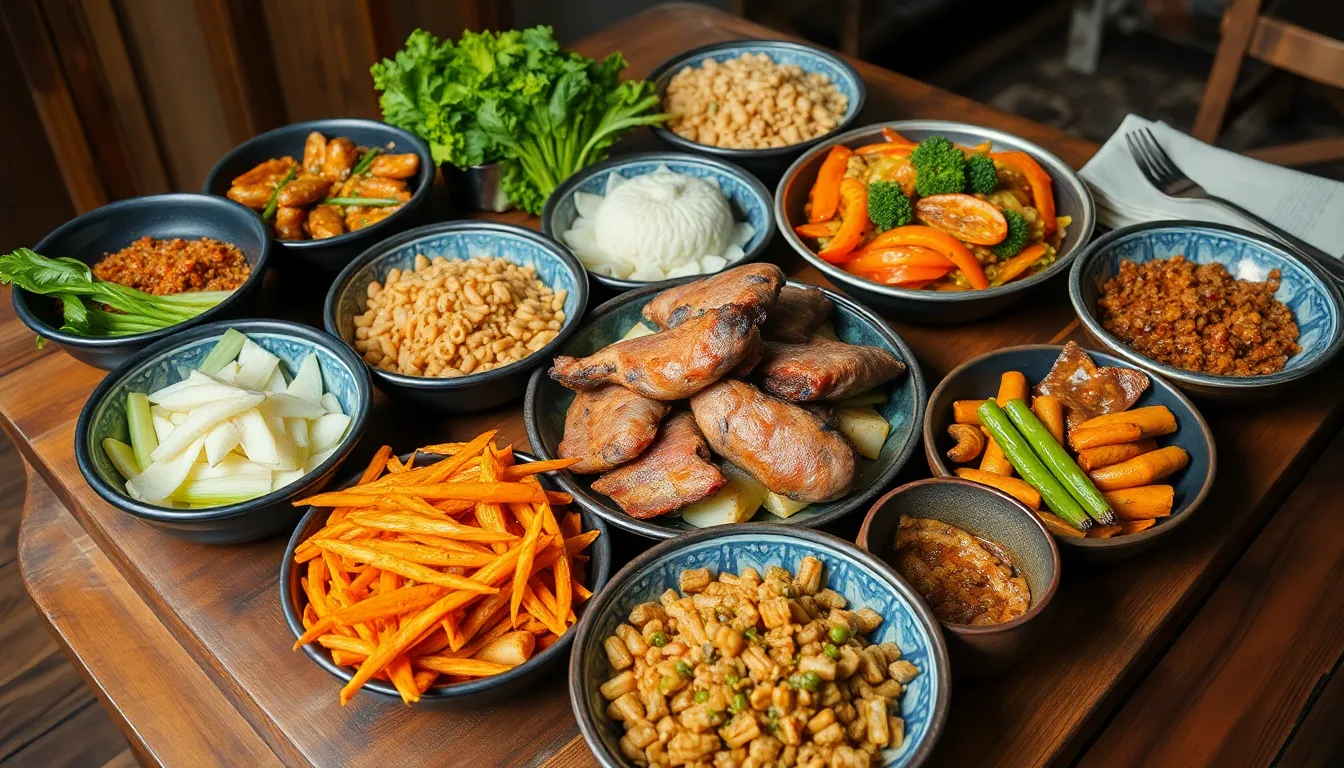
Bikimsum’s composition includes a blend of ingredients impacting digestion.
Ingredients That Affect Digestion
Heavy meats elevate the richness of bikimsum but slow down the digestive process significantly. Spices also contribute to complexity, potentially resulting in increased gastric secretions. Vegetables add important nutrients but may also complicate digestion depending on their preparation method. Combining starches and proteins presents additional challenges since they digest at different rates. These various components collectively prolong digestion, leading to a feeling of fullness that lingers longer than with simpler dishes.
Nutrient Density and Fiber Content
Nutrient density in bikimsum varies based on the chosen ingredients, with some providing essential vitamins and minerals. Fiber content in vegetables can promote digestion, yet not all fiber types are present in sufficient amounts to ease the process. High-fat ingredients contribute extra calories but complicate digestion due to their longer breakdown time. Balancing nutrient density with fiber and fat in bikimsum directly impacts its digestibility. Understanding these aspects aids in selecting options that may align better with individual digestive needs.
Digestive Process Overview
The digestive process for bikimsum involves several complex stages.
Stomach Digestion
In the stomach, bikimsum undergoes substantial breakdown. Gastric juices, activated by the rich and complex ingredients, enhance digestion. The presence of fatty meats in bikimsum contributes to a slower process, as fats require more time to emulsify. Enzymes play a critical role, breaking down proteins and carbohydrates at different rates. Combining starchy components with proteins adds another layer of complexity. As digestion progresses, a feeling of heaviness often occurs, signaling that bikimsum challenges the stomach’s capacity. These factors collectively extend the time necessary for food to settle before passing into the intestines.
Intestinal Absorption
Intestinal absorption follows stomach digestion, where key nutrients enter the bloodstream. Various nutrients, including proteins, fats, and carbohydrates, absorb at different rates, meaning bikimsum’s digestion can stretch over time. The small intestine employs villi and microvilli to enhance nutrient uptake. Fiber from vegetables may aid some absorption but can complicate passage depending on type and amount. A balance between fiber and fat significantly impacts overall digestion. Enhanced nutrient absorption can occur with lighter ingredients, improving overall comfort and satisfaction. The composition of bikimsum ultimately dictates how efficiently nutrients reach the body.
Factors Influencing Digestion Time
Bikimsum digestion time varies based on several factors. Understanding these influences can clarify why some people experience discomfort after consuming this dish.
Individual Metabolism Rates
Metabolism rates differ from person to person, significantly affecting digestion. Some individuals process food quickly, while others take longer. Genetic factors, age, and activity levels play roles in how efficiently one metabolizes food. In particular, those with slower metabolism may experience a prolonged feeling of fullness after enjoying bikimsum. Additionally, hormonal levels can impact digestion speed, further contributing to variations in individual experiences.
Food Pairings and Accompaniments
The choice of food pairings can influence bikimsum’s digestion time. When combined with heavier sides, the overall meal becomes richer and more complex, leading to slower digestion. For instance, pairing bikimsum with rice or fried dumplings increases the meal’s density. Certain accompaniments, such as sauces or oils, may also add extra fats, complicating the digestive process. Eating lighter, balanced sides can enhance digestibility and offer a more comfortable experience. Ultimately, thoughtful food combinations can help optimize digestion and promote overall satisfaction.
Health Implications of Slow Digestion
Slow digestion can lead to various health implications. Individuals who frequently consume bikimsum may experience prolonged fullness. This feeling stems from the dish’s rich, heavy ingredients that demand significant digestive effort. Gastric juices take additional time to break down fats, particularly from fatty meats, exacerbating discomfort.
Excessive fullness may lead to feelings of lethargy. When the body struggles to digest heavy meals, energy levels can dip significantly, impacting overall productivity and mood. Symptoms like heartburn and bloating can arise as well, disrupting daily activities.
Increased digestive time could affect nutrient absorption. While some nutrients may enter the bloodstream at a slower rate, heavy, fatty meals can hinder optimal uptake. A balanced combination of ingredients, particularly emphasizing lighter options, promotes better nutrient efficiency.
Potential gastrointestinal issues also rise with slower digestion. An imbalance in fiber types may lead to constipation or diarrhea, depending on individual digestive health. Regularly choosing heavier dishes like bikimsum might exacerbate these conditions, affecting long-term digestive health.
Weight gain can be an unintended consequence of frequent consumption. The combination of calories from rich ingredients and the sensation of persistent fullness may encourage overeating. Maintaining a mindful approach to portion sizes can mitigate this risk.
Digestive health plays a key role in overall well-being. Prioritizing lighter, balanced meals helps improve comfort during and after eating. Those aware of their digestion rates can customize their bikimsum experience for better satisfaction and health.
Bikimsum’s rich and complex nature significantly influences its digestion time. The combination of heavy ingredients and varying digestion rates creates a challenge for the stomach. As food lovers enjoy this flavorful dish, they should be mindful of portion sizes and cooking methods to enhance comfort.
Choosing lighter ingredients can improve digestibility while balancing flavors and nutrients. Understanding personal metabolism and food pairings can further optimize the bikimsum experience. By prioritizing digestive health, individuals can savor the delights of bikimsum without the discomfort of prolonged fullness.