
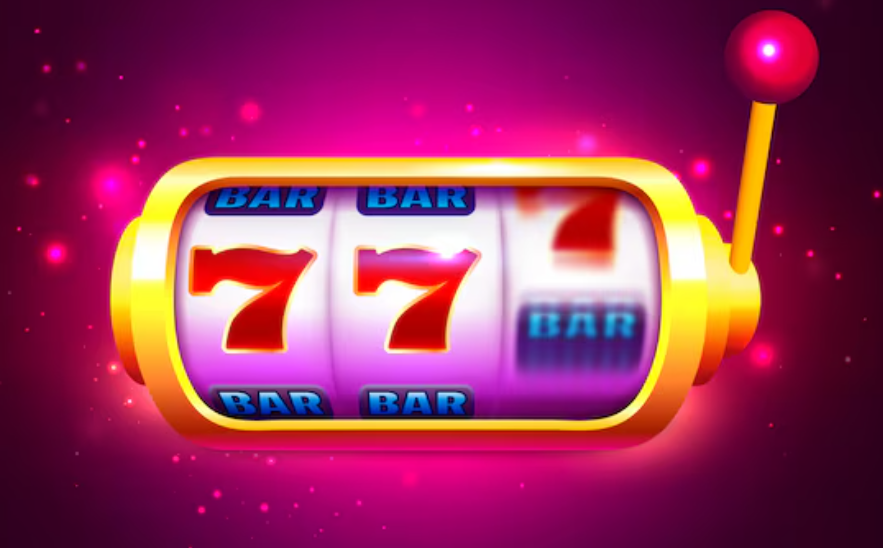
Slot games have come a long way from the mechanical machines that once filled casino floors. What began as a simple system of spinning reels, fixed symbols, and manual levers has developed into a highly digital form of entertainment powered by advanced software, graphics, sound, and mobile technology.
Modern slot games may still revolve around the familiar idea of spinning reels, but much more happens behind the screen. Every animation, symbol movement, sound effect, and game feature depends on technology working together in real time. Understanding these systems reveals why today’s slots feel faster, more interactive, and more visually sophisticated than their mechanical predecessors.
Table of Contents
ToggleRandom Number Generators Power the Outcome
At the centre of almost every digital slot game is a Random Number Generator, commonly known as an RNG.
How RNG Technology Works
An RNG is software designed to continuously generate numerical values. When a player starts a spin, the game uses these values to determine which symbols appear on the reels.
The process happens almost instantly. Players see reels spinning across the screen, but the underlying software has already calculated the result according to the rules of the game.
Why Digital Reels Offer More Flexibility
Traditional slot machines were limited by the number of symbols that could physically fit on a reel. Digital games do not face the same restriction.
Developers can create virtual reels containing many possible symbol positions. They can also design games with unusual layouts, expanding grids, changing paylines, cascading symbols, or multiple stages of play.
Software Development Shapes the Entire Experience
Modern slots are essentially interactive software applications. Their performance depends heavily on programming, game engines, and carefully designed mathematical systems.
Game Engines Coordinate Multiple Features
A game engine controls many elements that players experience on the screen. It can manage reel movement, animations, bonus sequences, user controls, sound effects, transitions, and visual responses.
Platforms such as pg 123 exist within a wider digital gaming environment where smooth software performance has become increasingly important to the overall experience.
Players expect games to react quickly when they tap buttons, change settings, or activate different features. Even small delays can affect how responsive a game feels.
Developers therefore spend considerable time optimising software so that graphics, calculations, animations, and controls work together smoothly.
Mobile Technology Changed Slot Design
Smartphones have had a major influence on how slot games are developed.
A game originally designed for a large desktop monitor may not work effectively on a small phone screen. Developers must consider screen dimensions, touchscreen controls, loading speeds, and different operating systems.
Responsive Design Adapts to Different Screens
Responsive technology allows a slot interface to adjust automatically according to the device being used.
Buttons may become larger on smartphones, menus may move into compact panels, and game information may be reorganised so that important elements remain easy to see.
Developers also need to consider portrait and landscape orientations because users may switch between them while playing.
Graphics Turn Reels Into Visual Experiences
Visual technology is another major part of modern slot development.
Early digital slots often relied on relatively basic two-dimensional artwork. Today, games can feature detailed environments, animated characters, cinematic transitions, glowing effects, and complex symbol movements.
Animation Creates a Sense of Movement
Animation makes digital reels feel more dynamic.
Symbols can explode, transform, fall from the screen, expand across multiple positions, or trigger entirely new visual sequences. Cascading mechanics are a good example. Instead of resetting the entire screen after one result, symbols may disappear and new ones fall into their place.
These effects require careful coordination between animation systems and the underlying game logic.
Themes Have Become More Detailed
Technology also allows developers to build slots around almost any visual theme.
Games may take inspiration from fantasy worlds, mythology, ancient civilisations, space exploration, adventure stories, animals, or futuristic settings.
The visual presentation helps distinguish one game from another even when their basic mechanics share similarities.
Sound Technology Adds Another Layer
Graphics attract attention, but sound strongly influences how a slot game feels.
Modern games use background music, environmental audio, symbol sounds, interface feedback, and short musical cues to respond to events on the screen.
Audio Changes With the Action
Soundtracks can become faster or more intense during particular game sequences. Different symbols may have distinctive sounds, while animations can be supported by matching audio effects.
This responsive approach makes sound part of the interaction rather than something that simply plays in the background.
Developers also need to ensure that audio works well on devices ranging from desktop speakers to smartphone headphones.
Cloud Technology Improves Game Accessibility
Many online slot games no longer require large software installations.
Cloud-based systems allow gaming content to be delivered through browsers or applications while much of the processing and data management happens through remote infrastructure.
Faster Access Across Devices
Cloud technology can make it easier for platforms to provide large game libraries without requiring users to download every title separately.
It also allows developers and operators to update games, fix technical issues, and introduce compatibility improvements more efficiently.
Combined with faster mobile networks and modern browsers, cloud infrastructure continues to reduce the technical barriers between users and digital gaming content.
Slot Technology Continues to Evolve
The technology behind slot games is constantly changing. Random number generators manage outcomes, software engines coordinate gameplay, responsive interfaces support mobile devices, while graphics and sound create increasingly detailed digital environments.
Emerging technologies may push these experiences even further. Artificial intelligence could support more adaptive interfaces, cloud systems may improve cross-device access, and advances in graphics could make digital gaming environments more immersive.
Despite these developments, the basic idea of a slot remains recognisable: players start a spin and watch symbols move into position. What has changed dramatically is everything happening behind that simple action. Each modern spin now depends on layers of software, mathematics, design, audio, graphics, and network technology working together in fractions of a second.